
Research
Built on 15+ years
of research.
BRAVR doesn’t guess. The method comes from published work on stress-inducing VR, live biometrics, heart-rate variability and game-based biofeedback.
How it works
A real stress response,
safely.
We use a VR environment to safely trigger a real stress response, then help you learn to control it.
01 · Monitor
During play, we monitor each player’s heart-rate variability (HRV), a measure of the body’s response to acute stress.
02 · Restrict
As players get more stressed, sound and vision are restricted, making it harder to complete challenges.
03 · Assess
These challenges show how well players stay in control while under pressure.
04 · Train
The steadier the players stay, the easier it is to succeed. That feedback loop trains the nervous system’s response to danger, so performance holds when it matters most.
Supporting research
The studies
WE're Built on.
14 papers · links open the original publication
Literature review (PDF)VR stimulation in stress exposure and inoculation
5 papers
- Physiology-Driven Adaptive Virtual Reality Stimulation for Prevention and Treatment of Stress Related DisordersResearchGate ↗
- Virtual reality adaptive stimulation of limbic networks in the mental readiness trainingResearchGate ↗
- Stress inoculation training supported by physiology-driven adaptive virtual reality stimulationResearchGate ↗
- Evoking stress reactivity in virtual reality: A systematic review and meta-analysisScienceDirect ↗
- Virtual Reality Applications for Stress Management Training in the MilitaryAerospace Medicine and Human Performance ↗
Real-time biometrics for stress management
4 papers
- Breathing Biofeedback for Police Officers in a Stressful Virtual Environment: Challenges and OpportunitiesFrontiers in Psychology ↗
- A Systematic Review of Biopsychosocial Training Programs for the Self-Management of Emotional Stress: Potential Applications for the MilitaryWiley ↗
- Development of a modular stress management platform (Performance Edge VR) and a pilot efficacy trial of a bio-feedback enhanced training module for controlled breathingPLOS ONE ↗
- Evaluation of a Virtual Reality Platform to Train Stress Management Skills for a Defense Workforce: Multisite, Mixed Methods Feasibility StudyPubMed Central ↗
HRV as a measure of stress-response training
2 papers
- Voluntary upregulation of heart rate variability through biofeedback is improved by mental contemplative trainingScientific Reports ↗
- Cognitive Fitness Framework: Towards Assessing, Training and Augmenting Individual-Difference Factors Underpinning High-Performance CognitionFrontiers in Human Neuroscience ↗
Game-driven biofeedback training
1 paper
From the field
Tested where
Pressure is the job.
In 2026, BRAVR was included for the first time in training for UK police firearms officers. Each workout produces a BioScore report that shows where the stress response faltered and how fast it recovered, to help you understand and improve how you perform when everything is on the line.
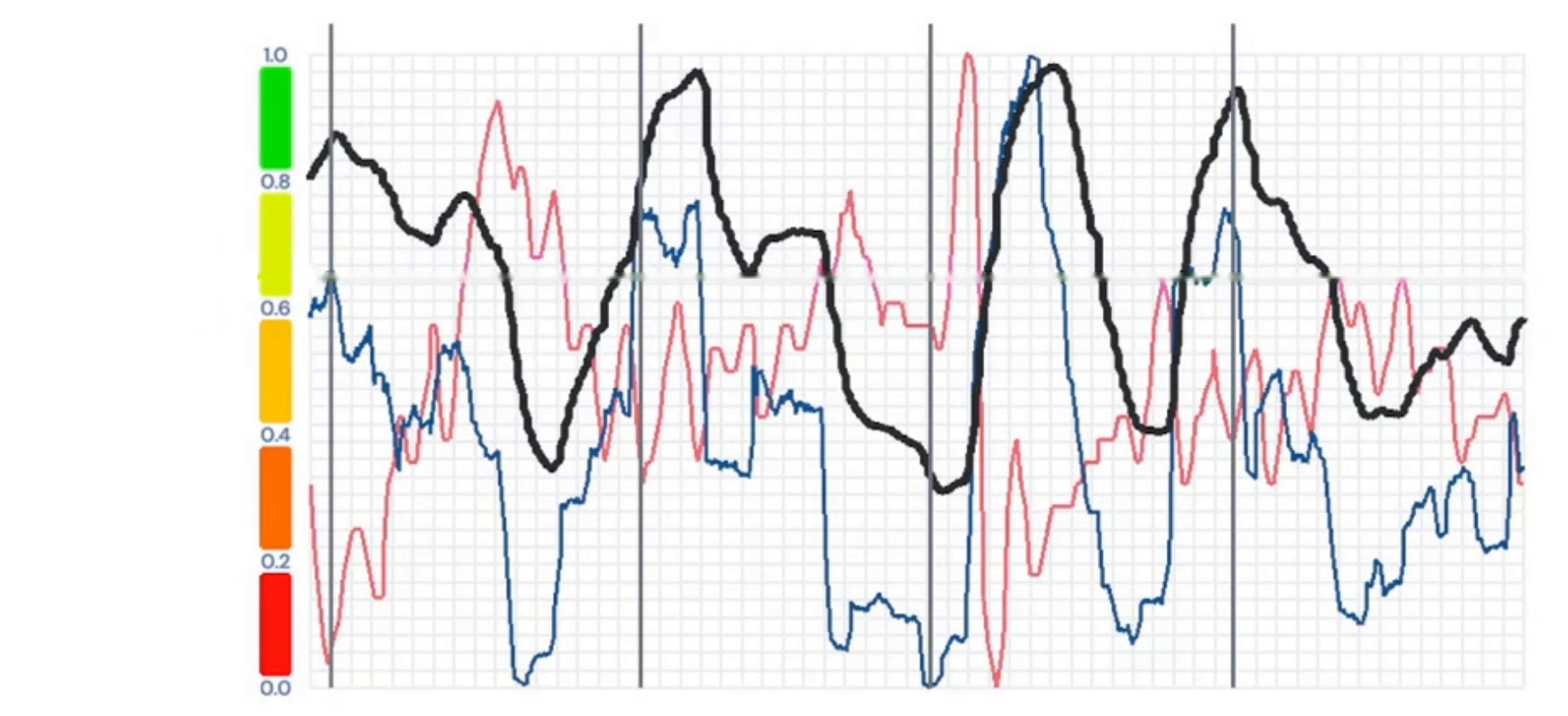
UK police • 2026, Trainee Firearms Officer workout report